Glock 17 Gen 6 First Look – Armorer Breakdown
Video Walkthrough: Watch on YouTube
No script. No sponsor talking points. Just a raw first look.
Johnny Glocks opens the Glock 17 Gen 6 for the first time on camera and immediately begins analyzing what actually changed. From grip texture and polymer feel to trigger geometry and internal housing revisions, this is a true armorer-level breakdown — not hype, not speculation.
Jump to a Section
- 00:00 – Intro & Unboxing
- 01:30 – First Impressions & Grip Changes
- 05:30 – Grip Texture, Swell & Ergonomics
- 09:45 – Gas Pedals & Controls
- 11:05 – Magwell & Frame Differences
- 13:00 – Polymer Feel & Frame Flex
- 16:00 – Trigger Design & Feel
- 18:45 – Action & Reset Breakdown
- 20:05 – Internal Frame & Housing Changes
- 23:00 – Parts Compatibility Discoveries
- 29:00 – Final Internal Conclusions
- 30:00 – Slide & Upper Assembly Changes
- 31:30 – Striker, Plunger & Extractor Redesign
- 36:30 – Frame Size & Dust Cover Changes
- 38:00 – New Disassembly Method
- 42:30 – Extractor Geometry Explained
- 47:00 – Overall Engineering Thoughts
- 49:00 – Future Glock Series Preview
- 52:30 – Final Thoughts on Gen 6
- 55:45 – Thank You & New Year Message
The Unboxing: Immediate Observations
Johnny approaches the Glock 17 Gen 6 the way a builder does — scanning the details that most shooters overlook. Grip texture, frame contour, slide finish, and control placement all get evaluated within minutes of opening the box.
Right away, it’s clear this isn’t just a cosmetic refresh. The changes may be subtle, but they are intentional.
Grip & Ergonomic Refinements
The grip texture and contour adjustments aren’t dramatic, but they’re noticeable. The frame feels slightly refined — tuned rather than redesigned. Johnny notes that small ergonomic shifts can make a major difference during extended shooting sessions.
For shooters who run their guns hard, even minor changes in grip swell and texture can improve control and fatigue resistance.
Polymer Feel & Frame Flex
One of the first things Johnny comments on is the polymer itself. The density and rigidity feel different from the Gen 5. Frame flex is more than an internet talking point — it influences durability, recoil impulse, and long-term wear.
It’s too early for durability data, but the material does not feel identical to previous generations. For builders and armorers, that matters.
Trigger & Action Breakdown
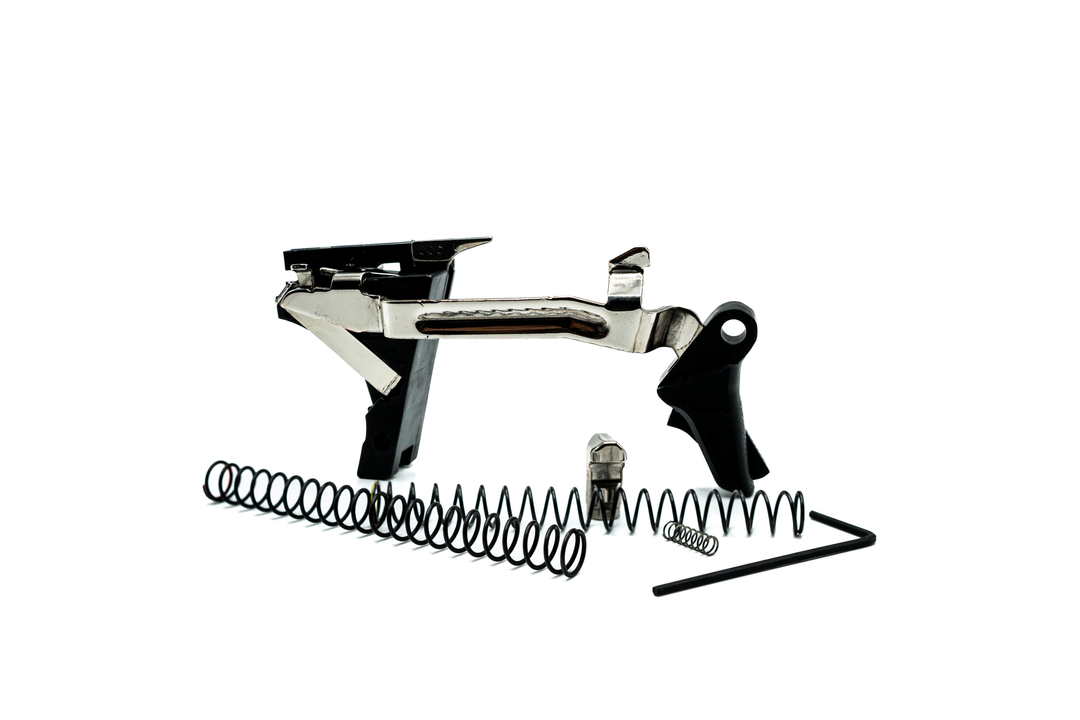
The trigger immediately draws attention. The wall, break, and reset feel slightly different from the Gen 5. Instead of speculating, Johnny tears the gun down to understand why.
Feel without geometry is guesswork. Once inside, subtle changes begin to reveal themselves.
Internal Frame & Housing Changes
Inside the frame, Johnny identifies housing revisions and dimensional tweaks that could impact aftermarket compatibility. These aren’t flashy upgrades — they’re structural refinements.
For the average shooter, these changes may go unnoticed. For companies building aftermarket parts, they could be significant.
Parts Compatibility Questions
Every new Glock generation raises one question: what still fits?
The Gen 6 doesn’t appear to be a full redesign, but it’s not a copy of the Gen 5 either. Some internal geometry changes may limit cross-compatibility with older parts. Builders will want to pay close attention before mixing components.
Slide & Upper Assembly Updates
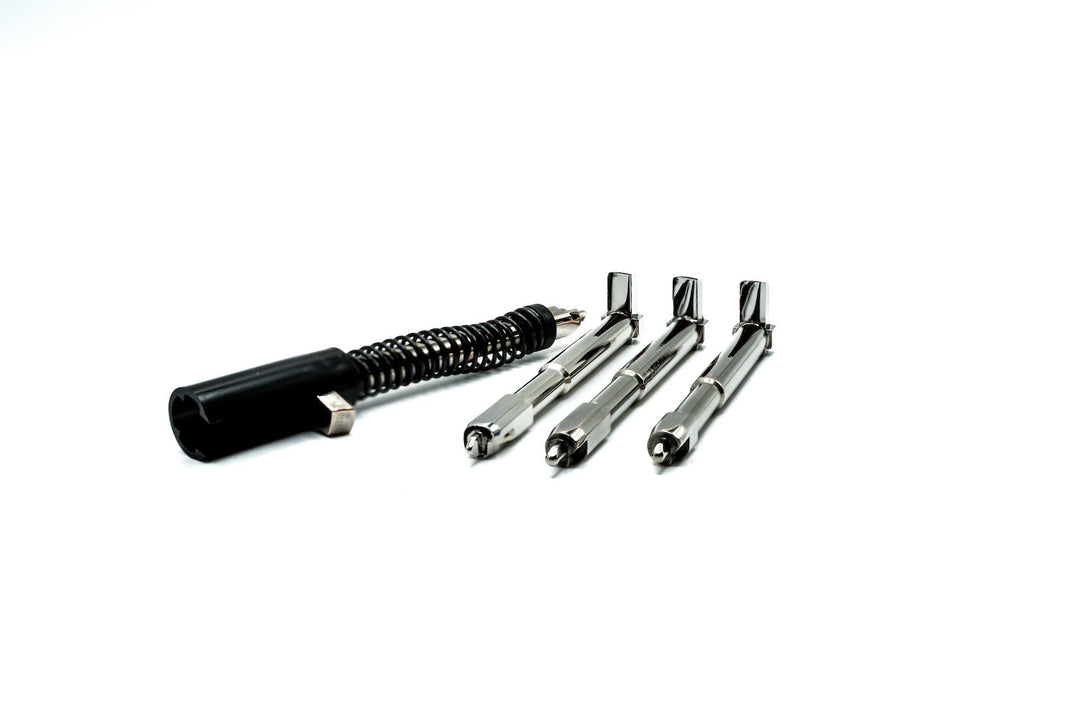
The striker, plunger, and extractor geometry all show subtle refinement. None of the changes scream “marketing overhaul,” but they suggest thoughtful engineering adjustments aimed at long-term reliability.
Extractor Geometry Explained
Johnny takes time to explain how small angle changes and engagement surfaces influence reliability over thousands of rounds. These are details most shooters never notice — but they’re the details that matter most over time.
Final Thoughts
The Glock 17 Gen 6 doesn’t feel revolutionary. It feels calculated.
Not a cosmetic refresh. Not a radical overhaul. A measured evolution focused on durability, system tuning, and long-term engineering refinement.
For Glock enthusiasts and serious builders, this generation offers plenty to analyze — and plenty to watch as real-world round counts start climbing.
Tags: Glock 17 Gen 6, Glock Gen 6 Review, Glock Armorer Breakdown, Glock Internal Changes, Glock Trigger Analysis, Johnny Glocks