Combat vs Competition Triggers — Johnny Explains the Difference
Video Walkthrough: Watch on YouTube
TLDR Buyer’s Guide: Combat vs. Competition
Choose the Combat Trigger if:
- You carry the gun or use it for duty/home defense
- You want a defined wall and predictable break
- Reliability and safety under stress matter more than raw speed
Choose the Competition Trigger if:
- The gun is for matches or range use
- You want the lightest, fastest break possible
- Speed and split times are the priority
Full Summary Breakdown:
A customer walks into the shop and asks a question almost every Glock owner has asked at some point:
“What’s the best trigger you’ve got?”
It sounds simple. It isn’t.
What follows in this video is an unscripted, shop-floor breakdown from Johnny that cuts through a lot of the internet noise around Glock triggers—what people think matters versus what actually does when you’re shooting for real.
Jump to a Section
- 01:40 – Trigger Feel vs Performance
- 02:54 – Why a Wall Matters for Safety
- 07:56 – How Oil Causes Extractor Drag
- 08:23 – Why Glocks Are Dry Guns
- 08:48 – When Ammo Loads Go Wrong
- 09:38 – Why Marine Spring Cups Exist
- 11:25 – Tolerances, Slide Swaps, and Safe Tuning
Combat vs Competition: Understanding the Difference
Feel Isn’t the Same as Performance
One of the first things Johnny points out is the trap a lot of shooters fall into: judging a trigger purely by feel.
A competition trigger can feel incredible on the bench—short take-up, light break, minimal resistance. That’s exactly what it’s designed for. Speed matters. Every fraction of a second counts.
A combat trigger plays a different role. It’s built for consistency, predictability, and control—especially when stress is high and conditions aren’t perfect. The goal isn’t the lightest pull possible. It’s a trigger you can run confidently, every time.
Why the “Wall” Is a Feature, Not a Flaw
If you’ve spent time on forums, you’ve probably seen people complain about a “hard wall.” Johnny sees it differently.
A defined wall gives you a clear point of reference before the shot breaks. Under adrenaline, that matters. It gives your brain a moment to confirm intent before committing to the shot.
In defensive or duty use, that wall can help prevent unintended discharges while still allowing fast, deliberate shooting. It’s not about slowing you down—it’s about keeping you in control.
What Happens to Trigger Control Under Stress
Stress changes everything.
Heart rate goes up. Fine motor skills drop. Grip tightens. In those moments, vague or rolling trigger breaks can work against you.
Johnny explains that a clean, predictable wall gives feedback your hands can actually process under pressure. It’s one of those things you don’t appreciate until you’ve shot under stress—or watched others struggle without it.
Reliability Always Wins
The conversation shifts to striker springs and primer ignition, and this is where Johnny draws a hard line.
A lighter trigger doesn’t matter if the gun doesn’t fire.
That’s why the Combat Kit is built around 100% primer strike reliability first, while still delivering a clean ~3.5 lb break. No tuning on the edge. No “range-only” compromises. The gun has to go bang—every time.
Why Glocks Don’t Like Being Oiled
Here’s a tip a lot of people miss: Glocks are essentially dry guns.
Johnny explains how excessive oil can cause extractor drag and introduce friction where it doesn’t belong. Oil also attracts debris, which creates its own set of problems.
The takeaway is simple—clean properly, lubricate sparingly, and let the design do its job.
When Ammo Becomes the Weak Link
One of the more eye-opening moments in the video is a story about badly overloaded ammunition—so hot it literally blew a trigger shoe apart.
That’s obviously not something you want to experience, but it did highlight something important: the Glock itself survived a failure that could have been catastrophic on other platforms.
Not an endorsement of bad ammo—just a reminder of how much abuse these guns are built to handle.
Marine Spring Cups: Who They’re Actually For
Marine spring cups get brought up next, and Johnny clears up a lot of confusion.
They weren’t designed to improve trigger feel. They were designed for wet environments, allowing water to drain from the striker channel faster.
If you’re not operating in those conditions, you probably don’t need them.
Tight Tolerances Mean Less Room for Guesswork
As triggers are tuned and tolerances tighten, Glocks become more individual.
Johnny explains why casually swapping slides or internal parts can lead to engagement and reset issues. Parts that work perfectly in one gun may not behave the same in another—especially once tolerances are tightened.
Proper fitting and matching matter if you care about reliability and safety.
The Bottom Line
There’s no universal “best” Glock trigger—only the right trigger for how you actually use the gun.
Competition triggers prioritize speed.
Combat triggers prioritize control and safety.
Understanding the difference matters far more than chasing the lightest pull weight.
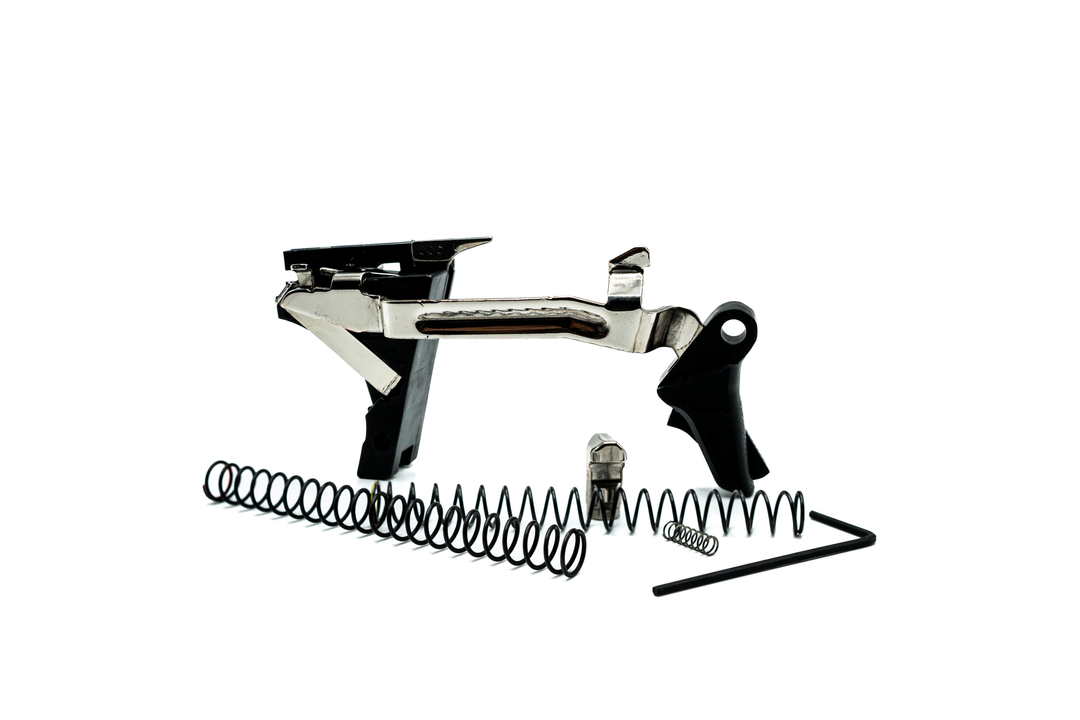
Featured Trigger: Johnny Glocks Combat Kit with VEX Shoe — 3.5 lb pull, 100% primer strike reliability.
Tags: Glock Triggers, Combat Trigger, Competition Trigger, Trigger Safety, Johnny Glocks